The National Governors Association released a set of principles for regulating artificial intelligence on Sunday, Nov. 22, asking for clear lines between what Washington and the states should handle.
A bipartisan council led by Maryland Gov. Wes Moore, the association’s chair, wrote the principles. Indiana Gov. Mike Braun, the vice chair, North Carolina Gov. Josh Stein and Utah Gov. Spencer Cox are also named. The paper lists six priorities: protecting the public while supporting new ideas, supporting workers, setting clear federal and state roles, basing safeguards on evidence of real risk, cutting duplicate or conflicting rules, and keeping big companies from gaining an edge over smaller ones.
Under the governors’ plan, the federal government would handle national and international AI risks, while states would keep room to protect their residents and set rules for how AI is used. Startup Fortune, citing Bloomberg, reports the plan would have Washington oversee the most powerful AI models with independent safety reviews and required reporting of serious incidents. The governors’ release does not use the word “preemption.”
Status: Confirmed (NGA release). Added details are reported by Startup Fortune. Sources: National Governors Association; Startup Fortune; PBS NewsHour; White House. Updated Nov. 24, 2026, 6 a.m. CT.
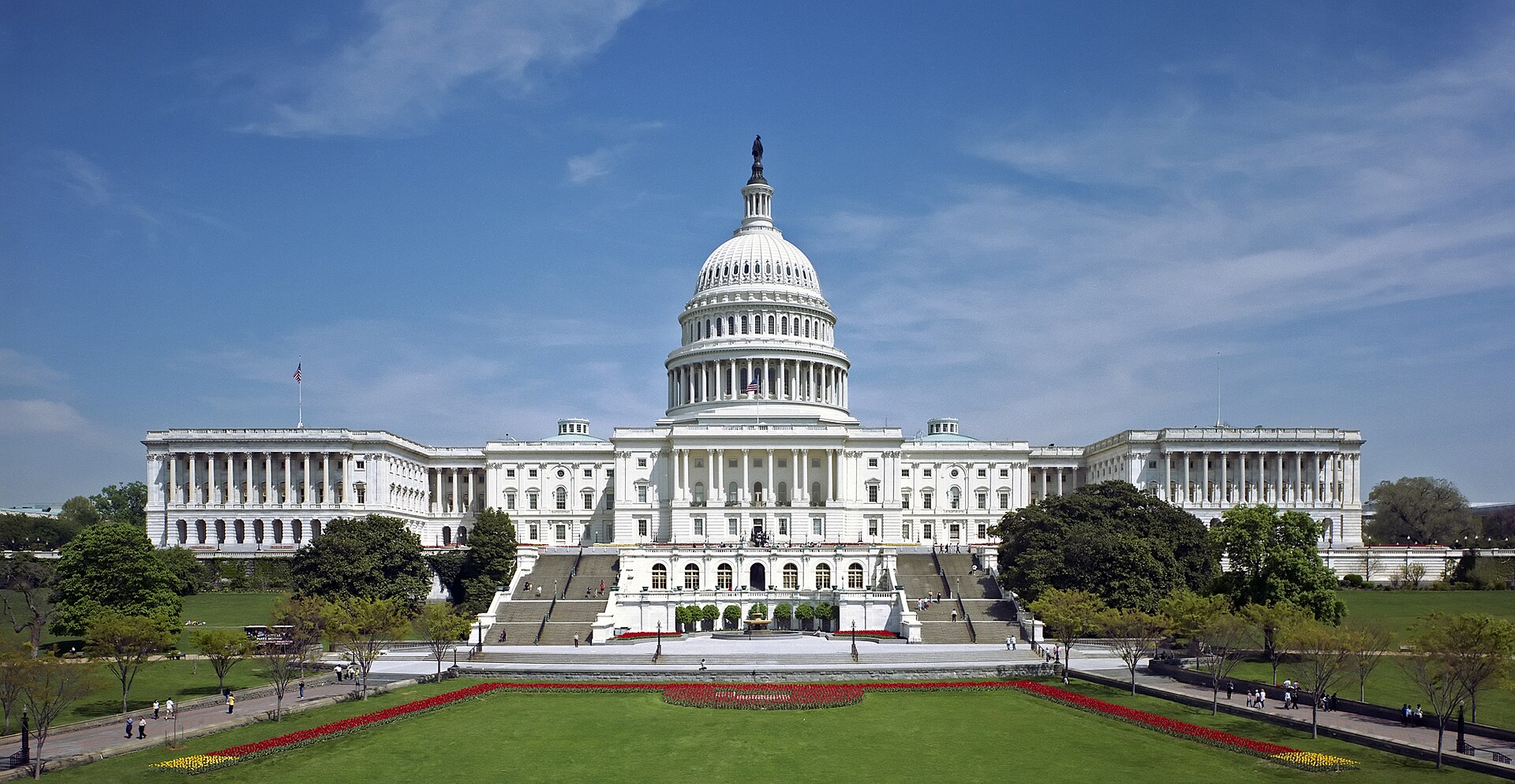
Photo: The U.S. Capitol, Washington (file photo, 1997). Architect of the Capitol (public domain).
Subscribe to keep reading
Become a paid subscriber to get access to the rest of this post and other exclusive content.