Update (Nov. 24, 2026): The Army has since set the blast for about 9 a.m. CST Wednesday and urged Middletown residents to relocate, with FEMA help. Latest: Army plans lead azide blast Wednesday around 9 a.m., urges nearby residents to leave.
A federal appeals court on Monday, Nov. 23, lifted its temporary pause on the Environmental Protection Agency permit for a planned blast of old explosives at the Iowa Army Ammunition Plant near Middletown, Iowa. The 8th U.S. Circuit Court of Appeals had put the pause in place on Thursday, Nov. 19.
Two groups, the Iowa Environmental Council and the Sierra Club’s Iowa chapter, had challenged the permit. They said the EPA did not do enough about lead dust, monitoring, soil testing and advance notice to the public. The judges disagreed. They found the EPA took the needed steps to limit lead dust and that the groups had not shown other options were ignored.
Late Sunday the Army moved the detonation to Wednesday, Nov. 25, citing “optimal weather conditions” and time to put dust controls in place. The date has changed several times. It was first set for Friday, Nov. 20, then Monday, then Tuesday. The stockpile is nearly five tons of degraded lead azide in 68 drums. The EPA issued the emergency permit on Nov. 13. It requires air and soil testing before, during and after the blast, public notice and cleanup.
Also on Monday, President Trump posted that he told the military to hold off until the appeals court and Iowa’s incoming governor sign off. The court had already lifted its pause by then. Governor-elect Rob Sand, who takes office in January, did not say whether he approves and asked for more information. As of early Tuesday, the Army had not publicly changed the Wednesday date. Middletown’s mayor has said there is no mandatory evacuation order.
Safety guidance (EPA): People near the plant should stay indoors during the blast, keep windows and doors closed and set heating or cooling to recirculate. Pregnant women and children under 10 face the most risk from lead. After the dust cloud passes, wipe surfaces such as windowsills and play areas. Check Army, EPA and Iowa health department notices for the final time.
Earlier: Iowa: Army lead azide blast near Middletown still on hold as Trump says wait for court
Status: Court ruling confirmed. Wednesday date confirmed by the Army. Whether the blast goes ahead after the president’s post: reported, not confirmed. Sources: Iowa Public Radio, Task & Purpose, ABC News, News From the States, KCCI, Capitol News Illinois. Updated Nov. 24, 2026, 6 a.m. CT.
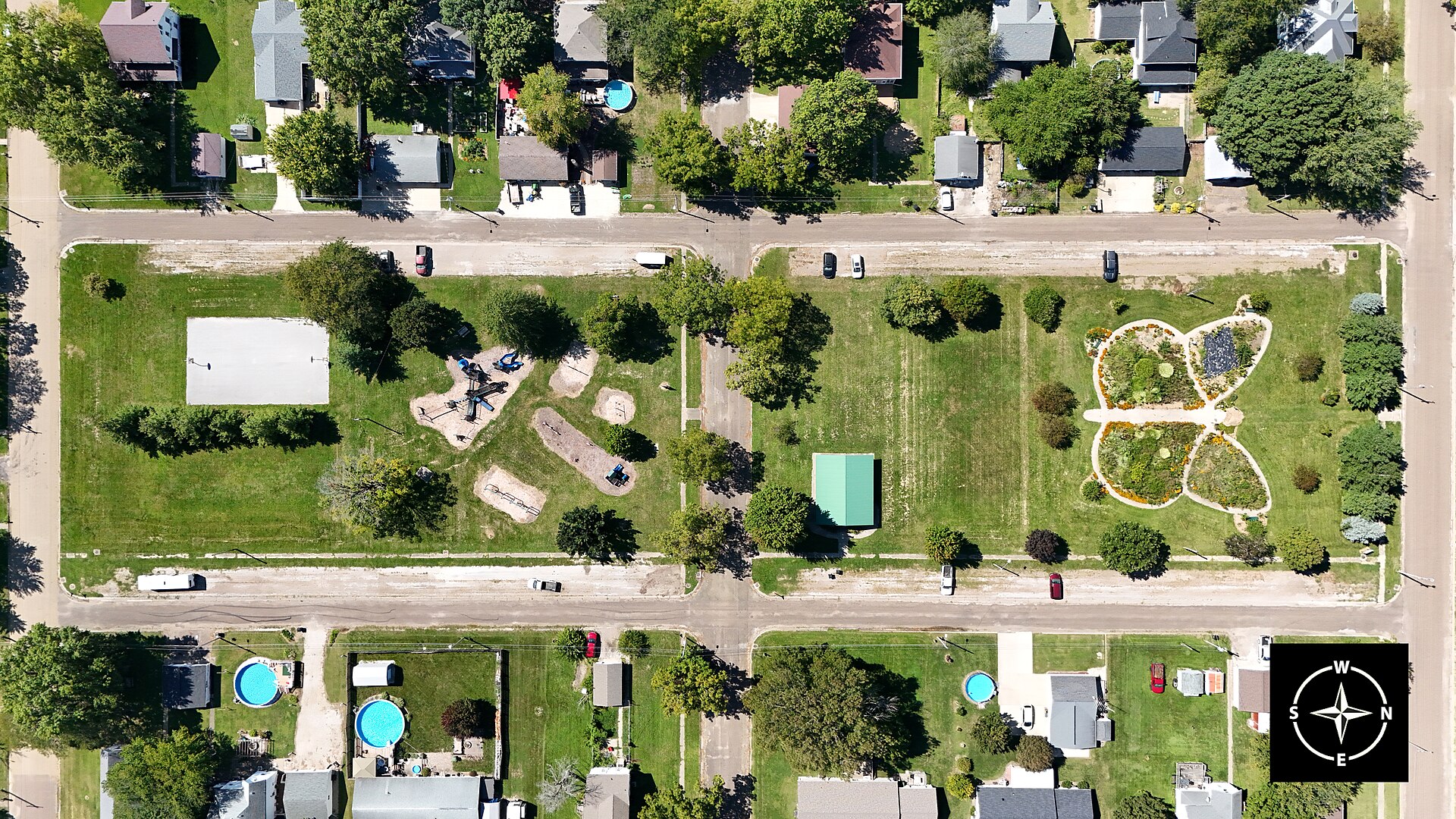
Photo: A city park in Middletown, Iowa (file photo, September 2024). PopePompus via Wikimedia Commons (CC BY-SA 4.0).
Why it happened
Lead azide is an explosive used in detonators. The Army says its old supply at the plant has broken down and crystallized, so it could go off on its own, and that cold weather raises that risk. The judges framed the choice as a planned blast versus an unplanned one. The groups who sued, represented by Earthjustice, dispute that the weather adds danger and question whether the dust controls will protect people’s health.
How it works
In a controlled detonation, crews set off the explosives at a chosen time while using dust controls and air monitors around the site. Blowing up lead azide releases lead dust. The EPA says its modeling predicts a low but higher-than-normal level of lead in the air for a few hours as the dust cloud drifts past, which is why the permit requires testing before, during and after.