The Army still plans to destroy nearly 5 tons (about 9,700 pounds) of unstable lead azide at the Iowa Army Ammunition Plant near Middletown on Wednesday, Nov. 25, around 9 a.m. Central time. The Army says the time may shift with the weather and that it will announce a more precise time. Its advisory, last updated Tuesday, describes the blast as upcoming, and no report reviewed shows it has taken place.
Who should leave: The Army recommends that people leave a zone reaching 5 miles southwest of the plant, plus 1 more mile beyond the path its models expect the dust to take. Federal officials recommended that pregnant women, children under 6 and people with chronic illness evacuate. FEMA is offering transportation for people who can’t travel on their own, short-term hotel rooms through Friday, Nov. 27, and food and water. Evacuees will get a phone call when it is safe to return. FEMA’s 24-hour helpline is 1-800-621-3362.
If you stay outside the zone: Close windows and doors, set heating and air systems to recirculate, turn off exhaust fans, keep children and pets indoors, and cover livestock feed and water. After the blast, people in areas where dust settles should wet-clean surfaces children touch and avoid outdoor activity until officials give guidance.
The Army says it will post maps of where dust is expected to drift and land, starting six hours before the blast and updating hourly. It plans drone checks for lead and testing of soil, air and water before and after, and will publish the results. The two groups that challenged the plan in court, the Iowa Environmental Council and the Sierra Club Iowa Chapter, said they will not try to block it further after a three-judge 8th Circuit panel sided with the government on Monday.
Earlier: Army plans lead azide blast Wednesday around 9 a.m., urges nearby residents to leave
Status: Confirmed (U.S. Army public safety advisory). Public-safety information, free to all readers. Sources: U.S. Army; ABC News; CBS News; Iowa Public Radio. Updated Nov. 25, 6:15 a.m. CT.
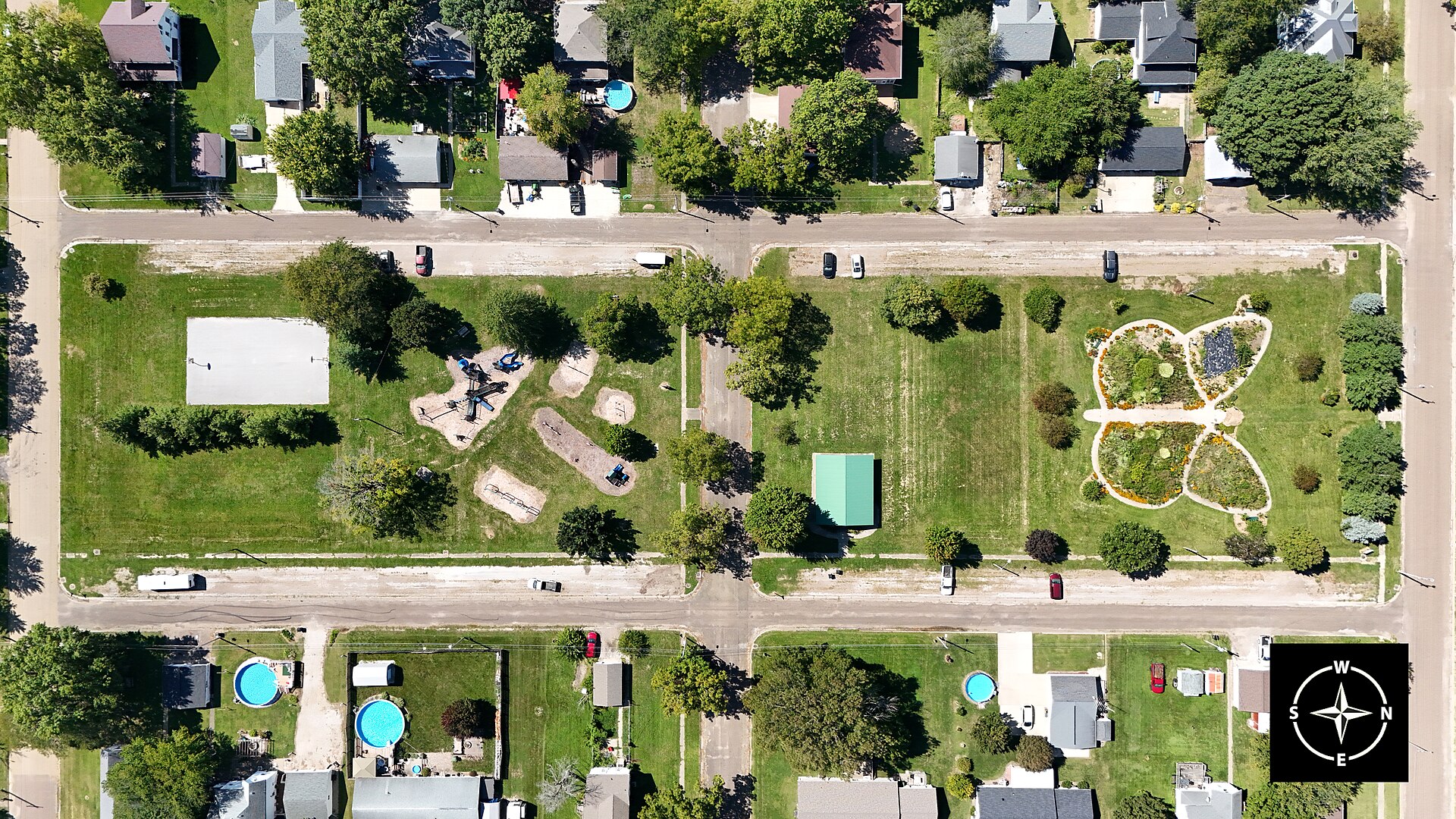
Photo: A city park in Middletown, Iowa (file photo, September 2024). PopePompus via Wikimedia Commons (CC BY-SA 4.0).
Why it happened
The lead azide sat in storage for decades in about 68 barrels. An inspection on March 11, 2026 found it had partly crystallized, which makes it more unstable. Officials said moving it or treating it with chemicals risked an accidental blast, and that storage grows more dangerous as temperatures fall. In letting the plan go ahead, the appeals panel found the EPA had “adequately incorporated safeguards.”
How it works
Setting the material off all at once, inside barriers such as a water wall, foam and sand, is meant to limit how far lead dust spreads. The dust maps use wind and weather forecasts to estimate where particles will fall. The blast itself should last seconds, and airborne dust is expected to clear in about an hour, depending on wind.