The Army says it will detonate a stockpile of degraded lead azide at the Iowa Army Ammunition Plant on Wednesday, Nov. 25, at about 9 a.m. CST. A more exact time will be set after weather is checked. The Army posted the updated safety advisory on Tuesday, Nov. 24.
If you live in the zone: Relocation, supported by FEMA, began Tuesday for all Middletown residents and nearby affected areas. The zone is a 5-mile cone southwest of the plant, plus one more mile past the modeled dust path. Rides are offered to people who cannot travel on their own. Hotel stays are confirmed through Friday, Nov. 27, and food and water are provided. Evacuees will get a phone call when the all-clear is given. The FEMA helpline is 1-800-621-3362.
If you live outside the zone: Officials urge people to shelter in place. Close windows and doors, set heating and cooling to recirculate, and turn off exhaust fans. Keep small children and pets indoors.
New dispersion maps are due within 24 hours of the advisory. Updates will come six hours before the blast and then every hour. Soil, air and water will be tested before and after. On Nov. 23 the federal Eighth Circuit appeals court lifted its temporary stay and denied an emergency stay request, Illinois EPA says, so the Army can go ahead while the lawsuit continues. Illinois EPA says the plume is not expected to reach Illinois. U.S. EPA plans a public data dashboard; no link has been posted yet.
Earlier: Army still plans Wednesday lead azide blast near Middletown after appeals court clears the way
Status: Confirmed (official Army advisory, Nov. 24); developing. Sources: U.S. Army, Illinois EPA, ABC News. Updated Nov. 24, 5:20 p.m. CT.
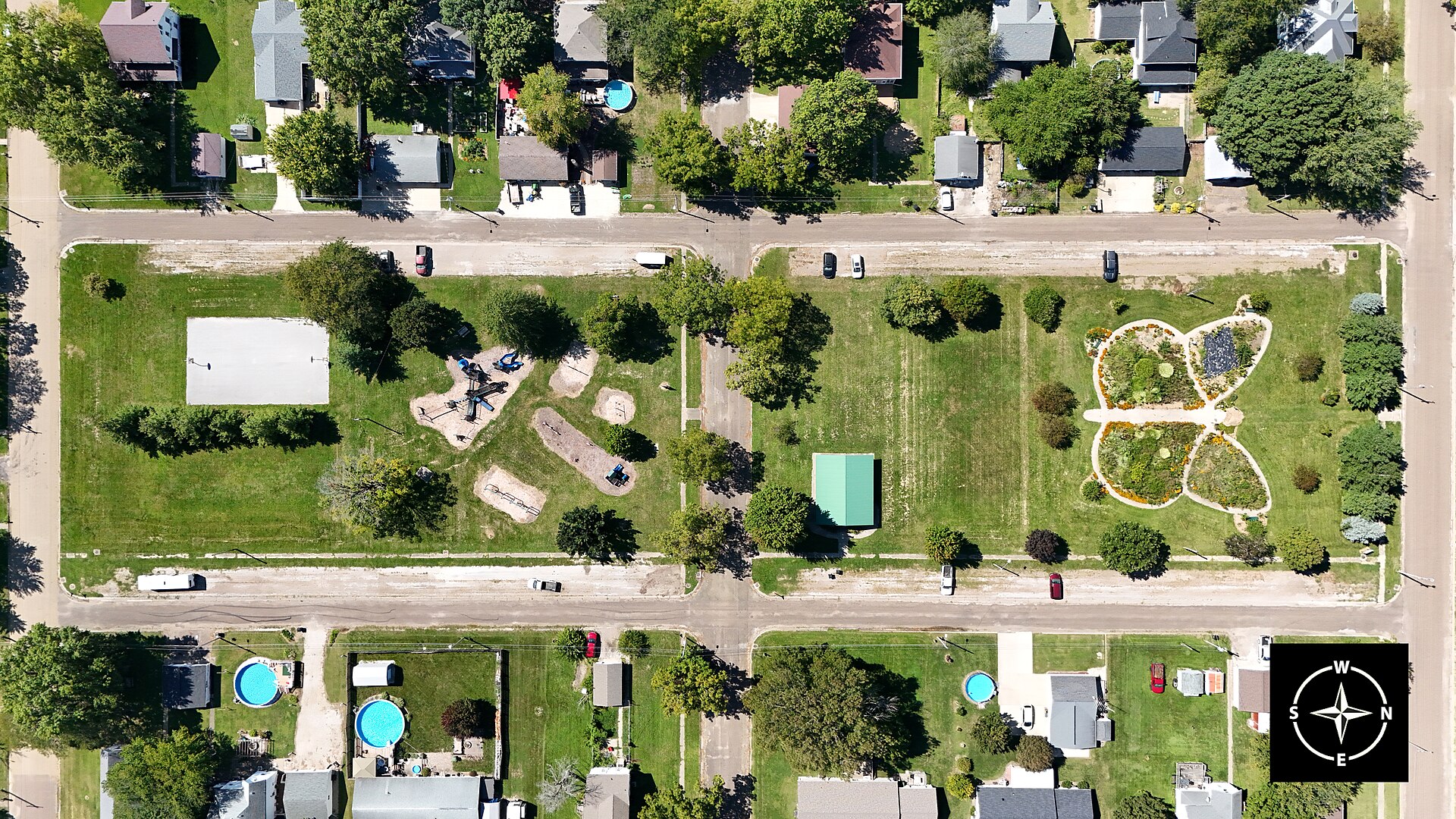
Photo: A city park in Middletown, Iowa (file photo, September 2024). PopePompus via Wikimedia Commons (CC BY-SA 4.0).
Why it happened
About 10,000 pounds of lead azide is stored at the plant. A March 11 inspection found it had partly crystallized, which makes it more sensitive to friction, shock and cold. The Army says moving it is too risky. Army leaders have said cold weather raises the risk of an uncontrolled blast. The date has moved several times, from Friday to Wednesday, to wait for better weather.
How it works
Lead azide is a primary explosive, the kind used to set off other explosives. A controlled blast will send lead dust into the air, along with noise and ground shaking, and windows could break. A court filing citing Army modeling says lead dust could settle over an area about 25 miles long and 5 miles wide; the relocation zone follows the expected wind path. Two environmental groups challenged the plan in court and question how nearby communities were warned.
Correction (Nov. 24, 2026): An earlier version said the date had moved twice, credited the Justice Department with the cold-weather warning, and attributed the dust-area estimate directly to the Army. The date has changed several times, the cold-weather warning came from Army leaders, and the estimate comes from a court filing citing Army modeling.