The Army destroyed deteriorated lead azide, an explosive, at the Iowa Army Ammunition Plant near Middletown on Nov. 25. On Nov. 28, the U.S. Environmental Protection Agency said none of 38 samples taken afterward from public water supplies, including treated tap water and untreated intake water, contained lead.
The EPA also released results from 26 samples of lakes, ponds and other recreational waters, which are not drinking-water sources. It found no lead linked to the detonation.
Air monitors showed zero lead for 30 straight hours after the blast, the EPA said. In all, it has collected more than 3,200 samples of air, water, soil and dust, about half of them before the detonation.
Before the blast, the EPA found low lead levels at four untreated water sources: Mark Twain Lake in Missouri, the Illinois River and two Mississippi River sites in Illinois. All were between 1.13 and 2.12 parts per billion, well under the EPA’s 15 ppb action level. Soil, dust and indoor results are still pending and will be posted at epa.gov/IowaData.
Earlier: Middletown, Iowa: EPA monitors still find no airborne lead after lead azide destruction
Status: Confirmed (EPA). Soil and dust results pending. Sources: U.S. Environmental Protection Agency news releases, Nov. 28. Updated Nov. 29, 2026, 6:00 a.m. CT.
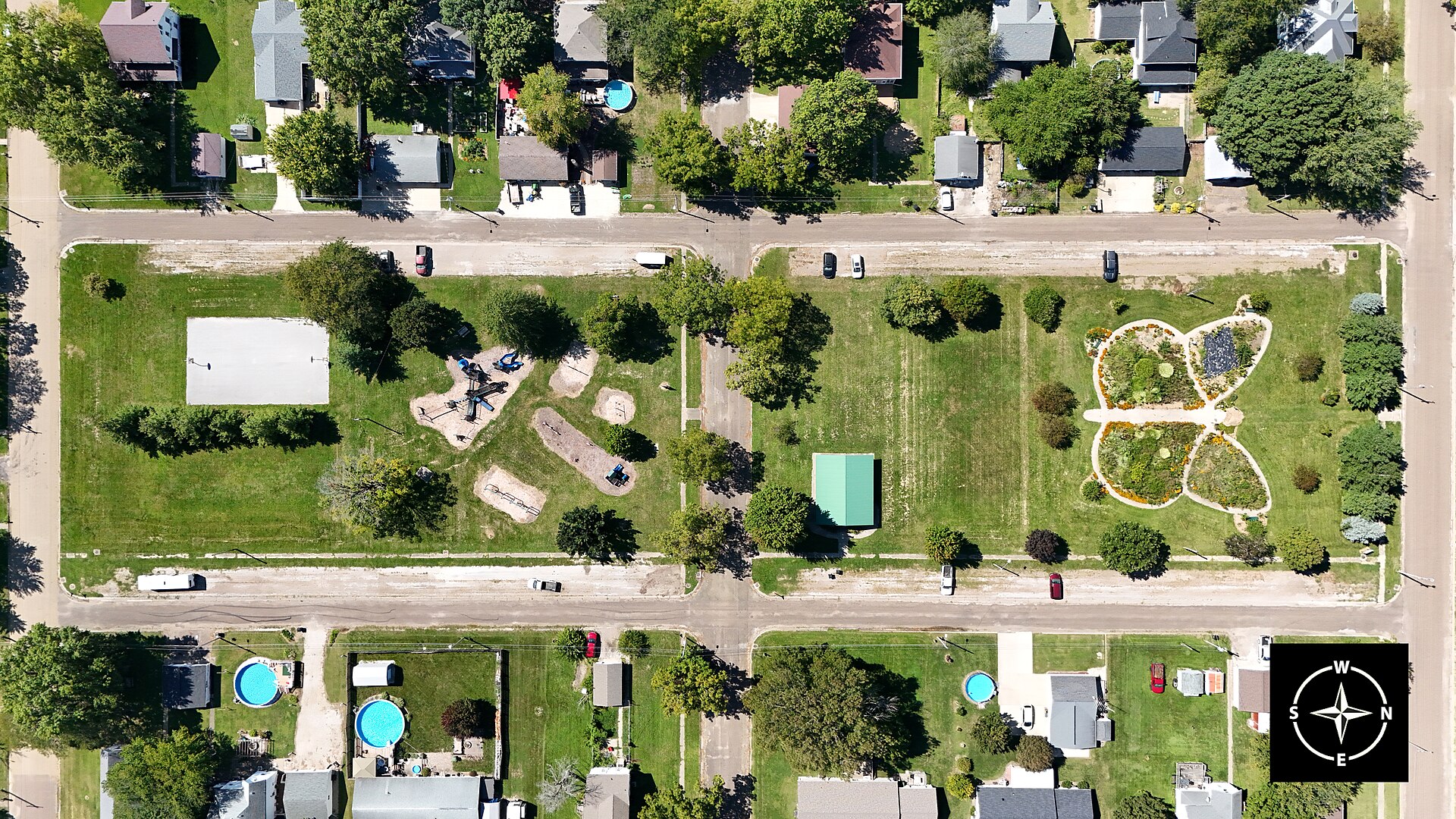
Photo: A city park in Middletown, Iowa (file photo, September 2024). PopePompus via Wikimedia Commons (CC BY-SA 4.0).
Subscribe to keep reading
Become a paid subscriber to get access to the rest of this post and other exclusive content.