The Army destroyed its stockpile of degraded lead azide at the Iowa Army Ammunition Plant near Middletown, Iowa, shortly after 9 a.m. CT on Wednesday. Crews set off 68 barrels, about 9,700 pounds, in one controlled detonation. Two white plumes rose over the site and faded.
About an hour later, the Environmental Protection Agency said all of its real-time air monitors in the area were reading no lead in the air. The EPA had taken about 1,200 air, soil, dust and water samples before the blast and has about 300 staff and contractors on the ground. Sampling continues, and results are posted on a public EPA data dashboard.
At a news conference after the blast, Maj. Gen. Eric Shirley said all of the explosive was destroyed, with no secondary blasts and no damage to buildings. Crews used more than 3,600 gallons of foam and wetted soil to hold down dust.
What residents should do now: Shortly before the blast, FEMA stopped advising people to leave and instead told those within about 20 miles, including Middletown, Augusta and Burlington, to stay inside with windows closed. No all-clear had been announced as of Wednesday evening; evacuees will get a phone call when it is. FEMA’s short-term hotel lodging runs through Friday, Nov. 27. Help: FEMA helpline 1-800-621-3362; EPA public line 1-833-649-9624. Iowa farm officials advised keeping livestock indoors, and residents were told to clean outdoor surfaces that children touch. Gov. Kim Reynolds has declared a disaster emergency in Des Moines, Lee and Van Buren counties.
Status: Confirmed (the blast and EPA’s first air readings). No all-clear yet; monitoring continues. Sources: U.S. EPA; U.S. Army; ABC News; PBS NewsHour; AP via WSLS; KCCI. Updated Nov. 25, 2026, 9:15 p.m. CT.
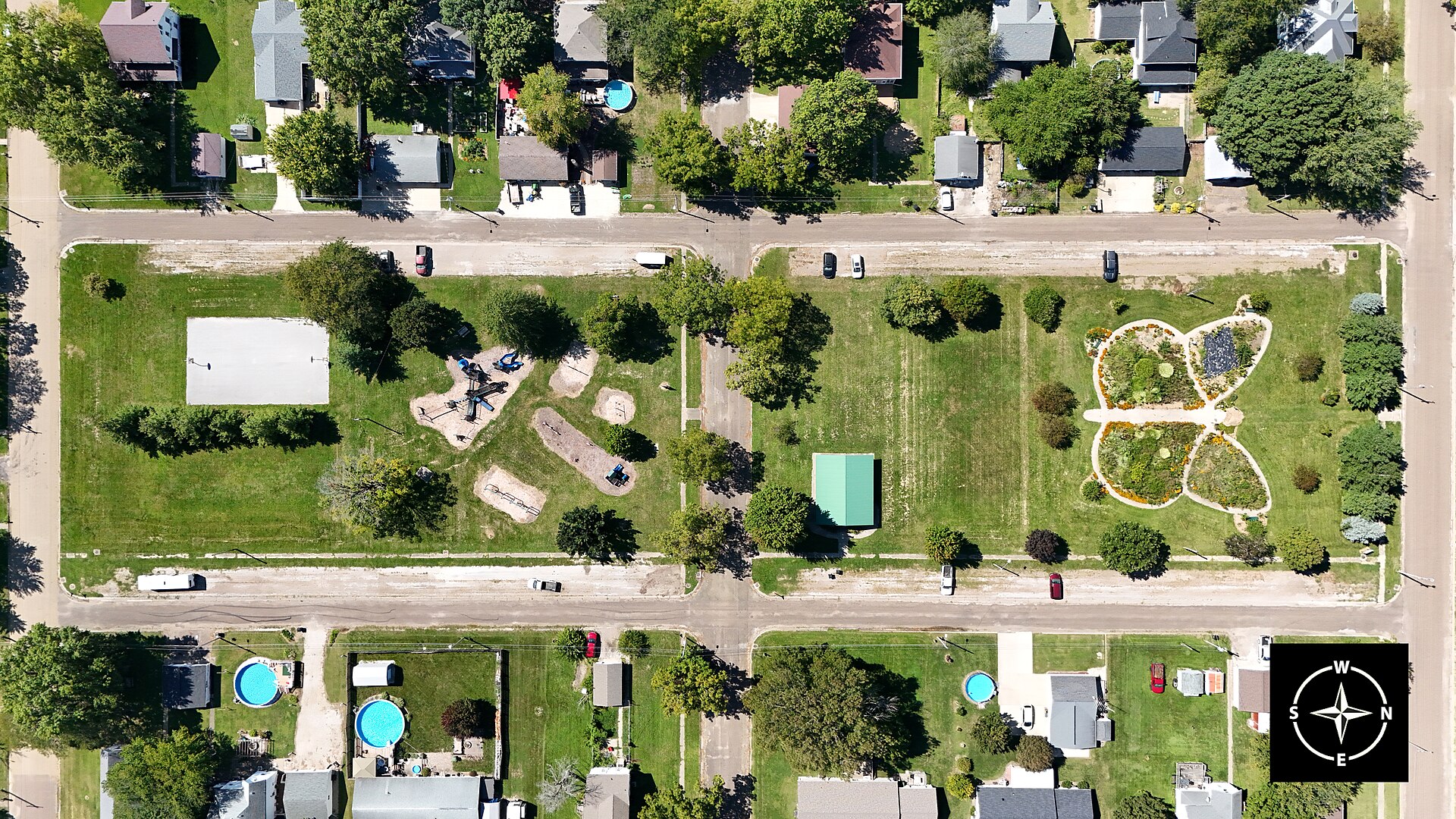
Photo: A city park in Middletown, Iowa (file photo, September 2024). PopePompus via Wikimedia Commons (CC BY-SA 4.0).
Why it happened
An inspection on March 11, 2026, found that part of the stored lead azide had crystallized. That makes it more sensitive to friction, shock and cold, so it could go off on its own. The Army judged that treating it with chemicals or heat, moving it, or leaving it in storage were all too dangerous, and chose to destroy it in place under controls.
How it works
Lead azide is a small, touchy explosive used in detonators to set off bigger charges. To trap lead dust, crews ringed the barrels with two-story sand-filled barriers, a wall of water tanks holding more than 100,000 gallons, gel blocks, foam and misting sprays. Air monitors and soil, dust and water samples show where any dust landed. The Army says updated maps and a final estimate of the affected area will follow.
Correction (Nov. 25, 2026): An earlier version said crews set off the barrels in two quick blasts. It was one controlled detonation, which sent up two white plumes.