The Army has not yet destroyed the roughly 5 tons of degraded lead azide stored at the Iowa Army Ammunition Plant near Middletown. On Sunday, Nov. 22, it moved the planned detonation from Monday to Wednesday, Nov. 25, saying it wanted the best weather and all safety measures in place. It was the second delay; the blast was first set for Friday, Nov. 20.
On Monday, President Trump posted that he “ordered the military not to do so” until the Eighth Circuit appeals court agrees it can go forward. He said this was also subject to Iowa Governor-elect Rob Sand agreeing. A federal appeals court temporarily paused the operation late Friday; on Monday the court lifted that temporary stay on the EPA permit, according to local public radio reporting. Environmental groups, represented by Earthjustice, are challenging the EPA emergency permit. An earlier Army court filing said it wanted to act by Nov. 24 because temperatures below 30°F raise the risk of an accidental blast.
Because no detonation has happened, there are no after-blast air or soil results yet. EPA’s emergency permit, issued Nov. 13, requires sampling and monitoring before, during and after the operation, plus public notices.
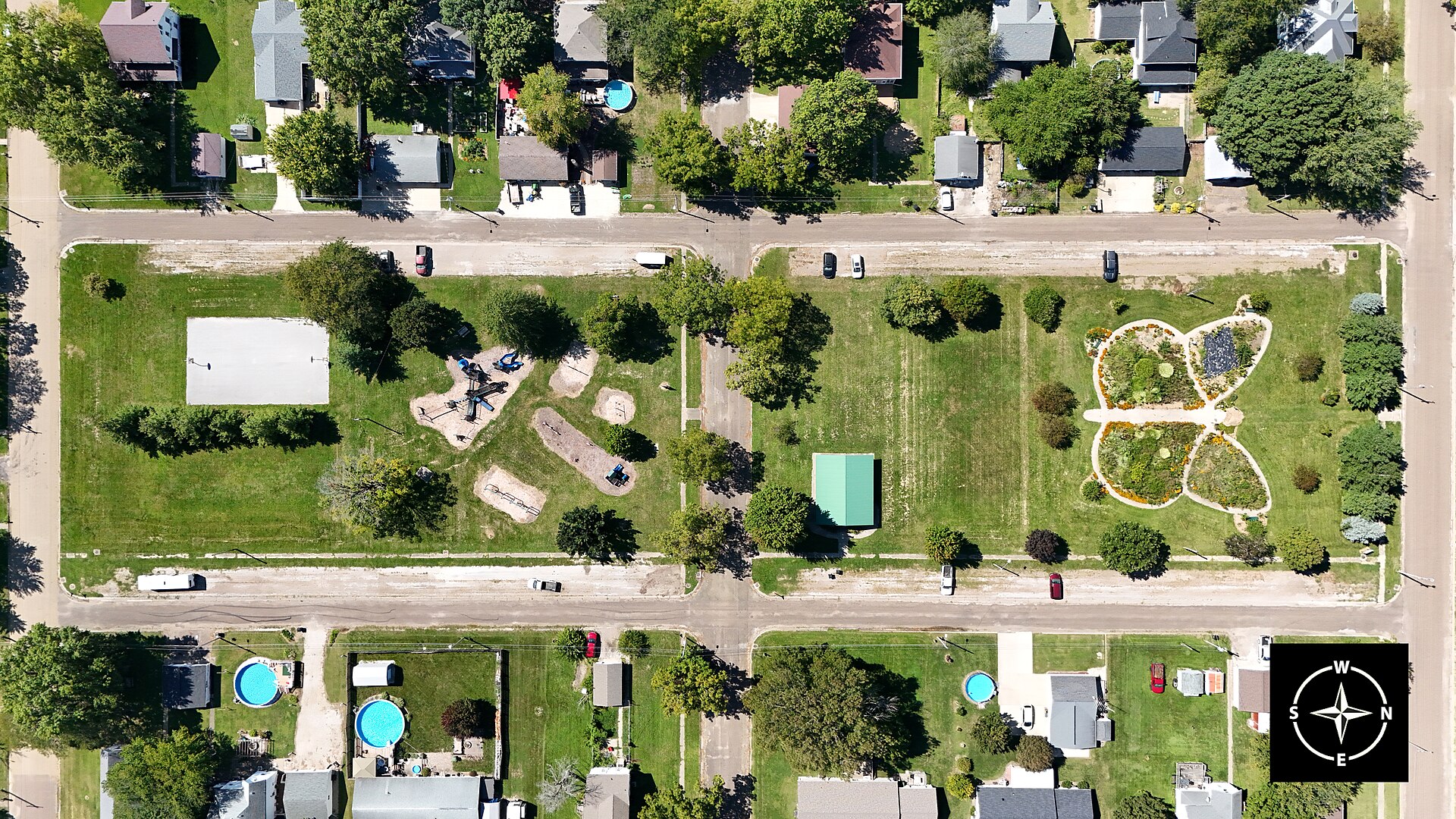
Safety guidance if the blast goes ahead: Iowa health officials advise people nearby to stay indoors with windows and doors closed for 24 to 48 hours afterward unless updated guidance says otherwise, run indoor air on recirculation and use a HEPA air cleaner if available, and ask a health provider about blood lead testing, especially for children under 6 and pregnant women. For the earlier date, residents of the Middletown City Park area were asked to leave during the blast. Evacuation timing for a new date had not been announced in the sources we reviewed.
Earlier: Iowa: Army says it will detonate 5 tons of lead azide by Tuesday despite court pause (Nov. 22).
Status: Reported, not confirmed (timing). The Army has said Wednesday; the Eighth Circuit lifted its temporary stay on the EPA permit Monday (reported), but the president says the military should wait. Sources: ABC News, Yahoo News, Iowa HHS, EPA, KTTC, Earthjustice, Iowa Public Radio. Updated Nov. 23, 2026, 9:15 p.m. CT.
Photo: A city park in Middletown, Iowa, file photo, Sept. 2024. PopePompus via Wikimedia Commons (CC BY-SA 4.0).
Why it happened
EPA says the stored lead azide has recrystallized, which has made it more sensitive to friction and shock. Moving the containers could set it off by accident, so the Army and EPA chose to destroy it where it sits. Opponents say other options were not studied enough and the public was given too little notice.
How it works
Lead azide is a primary explosive once used to set off other explosives in detonators. A controlled blast destroys it all at once, but it also throws up dust that contains lead. That is why wind direction, wetting the ground, and keeping people indoors or away matter.
Correction (Nov. 23, 2026): An earlier version said the appeals court pause still stood. The Eighth Circuit lifted its temporary stay on Monday; the Army has not carried out the blast, and the president says to wait.